
Five years ago, the narrative surrounding CRISPR/Cas9 was dominated by its capacity as a precise "molecular scalab," a tool designed primarily to cut, edit, and permanently alter DNA sequences to correct genetic errors. Today, the field has undergone a profound transformation, shifting its focus from static genome editing to dynamic transcriptional regulation. This evolution is defined by the emergence of dual-function architectures, specifically dCas9 fusions like dCas9-VP64 and dCas9-KRAB, which enable the simultaneous control of gene expression without altering the underlying genetic code. This shift matters because it moves biotechnology from correcting fixed mutations to actively tuning the biological drivers of aging and disease, offering a potential pathway to extend human healthspan through reversible molecular interventions.
The current landscape is characterized by a convergence of three distinct research directions that collectively redefine the utility of gene-editing technology. First, recent studies establish CRISPR/Cas9 variants as a dual-purpose platform, detailing specific molecular architectures such wild-type Cas9 for inducing DNA double-strand breaks and Cas9 nickase for triggering non-homologous end joining. These foundational mechanisms provide the structural basis for more advanced applications. Second, the scope of inquiry has expanded from describing aging mechanisms to actively intervening in cellular senescence. Researchers are now proposing CRISPR-Cas9 as a targeted strategy to modify molecular drivers of aging, aiming to slow disease progression by directly addressing the cellular decline associated with telomere shortening and metabolic dysfunction. Third, gene therapy strategies are increasingly highlighting dual-modal interventions that combine precise genetic editing, such gene knockout and base editing, with epigenetic modifications like demethylation and gene repression. This broadens the therapeutic approach beyond correcting static DNA errors to include the reversible modulation of gene expression profiles associated the aging process.
This triangulation of research reveals a clear trajectory: the field is moving away from proof-of-concept editing in model organisms toward theoretical frameworks for human therapeutic application. The assumption that gene editing must be permanent or irreversible is being actively challenged by the integration of epigenetic modifiers. The dCas9-VP64 fusion acts as an activator, turning on target gene transcription, while the dCas9-KRAB fusion serves as a repressor, silencing specific genomic regions. By leveraging these tools, scientists can now address the complex interplay between genomic stability, telomere maintenance, and cellular senescence with unprecedented precision. The distinction is critical; whereas early applications focused on permanent changes to the genome, these new fusions allow for transient, regulatory control that can be adjusted in response to environmental or physiological cues.
The implications for biomedical researchers and clinical oncologists are substantial. By validating CRISPR's capacity for epigenetic regulation, this research opens doors for treating conditions where gene expression dysregulation is the primary driver, such cancer progression and age-related decline. For society, this suggests a future where therapies could reversibly modulate the aging process itself, potentially extending healthspan without permanent genomic alteration. However, the timeline for clinical translation remains contingent on resolving delivery efficiency and off-target effects. While the conceptual groundwork for "dynamic gene therapy" is now firmly established, the current literature notably lacks quantitative clinical data, long-term safety profiles, and comparative efficiency metrics for these fusion proteins in vivo. This gap represents the primary hurdle between theoretical potential and practical application.
Critical disagreements remain unresolved within the current batch of literature, highlighting the nuances of this evolving paradigm. A tension exists between the detailed molecular architectures described in foundational studies and the high-level theoretical scopes proposed in aging research. The former details specific mechanisms like steric hindrance and DNA double-strand breaks, while the latter operates at a broader level without providing specific data on the efficacy of these architectures in aging tissues. Furthermore, while both domains advocate for CRISPR in aging, there is a lack of consensus on whether genetic editing and epigenetic modification should be treated as separate modalities or a unified strategy. Without quantifying the comparative benefit of the epigenetic approach over direct editing, the optimal path forward for clinical implementation remains an open question.
The Pattern
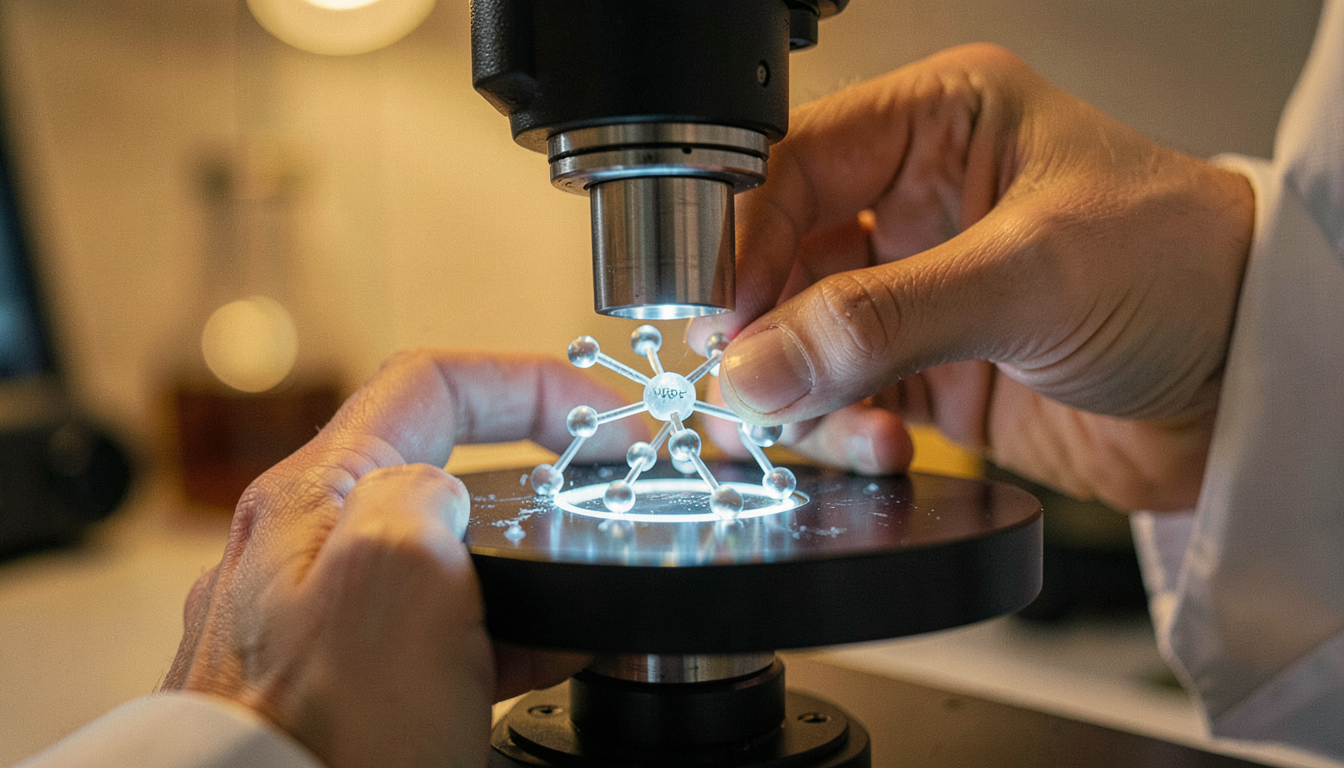
A recurring structure emerges when tracing the history of this field: technological maturity follows a trajectory from mechanical manipulation to regulatory integration. Initially, tools are developed to physically alter the substrate—in this case, the DNA sequence itself. Once the mechanics are mastered, the focus shifts to understanding the functional consequences of those alterations. Finally, the technology evolves into a regulatory instrument capable of dynamic modulation. We see this pattern in the transition from CRISPR as a method for creating DNA double-strand breaks to its current role as a "molecular dial" for tuning gene expression. This progression indicates that the field is no longer asking "can we edit the genome?" but rather "how can we regulate the genome to improve health?" The integration of dCas9 fusions marks the completion of this cycle, transforming a static editing tool into a dynamic system capable of responding to the biological needs of the organism.
The Next Inflection Point

Based on today's evidence, the next critical inflection point will occur when empirical clinical data validates the comparative efficiency of dCas9-VP64 versus dCas9-KRAB fusions in maintaining long-term epigenetic marks in vivo. While current papers present robust theoretical frameworks, the field requires rigorous validation in human cohorts to determine how off-target effects impact the stability of induced epigenetic modifications over multiple cell divisions. Until precise delivery constraints for applying these dual-modal CRISPR systems to post-mitotic human tissues are resolved and quantified, the promise of reversible gene therapy will remain a theoretical potential rather a clinical reality. The transition from concept to practice hinges on generating the specific safety profiles and efficacy metrics that are currently absent from the literature.
KHI Research Editorial Team
Published by KHI Research · 2026-06-28 · AI Methodology
Discussion